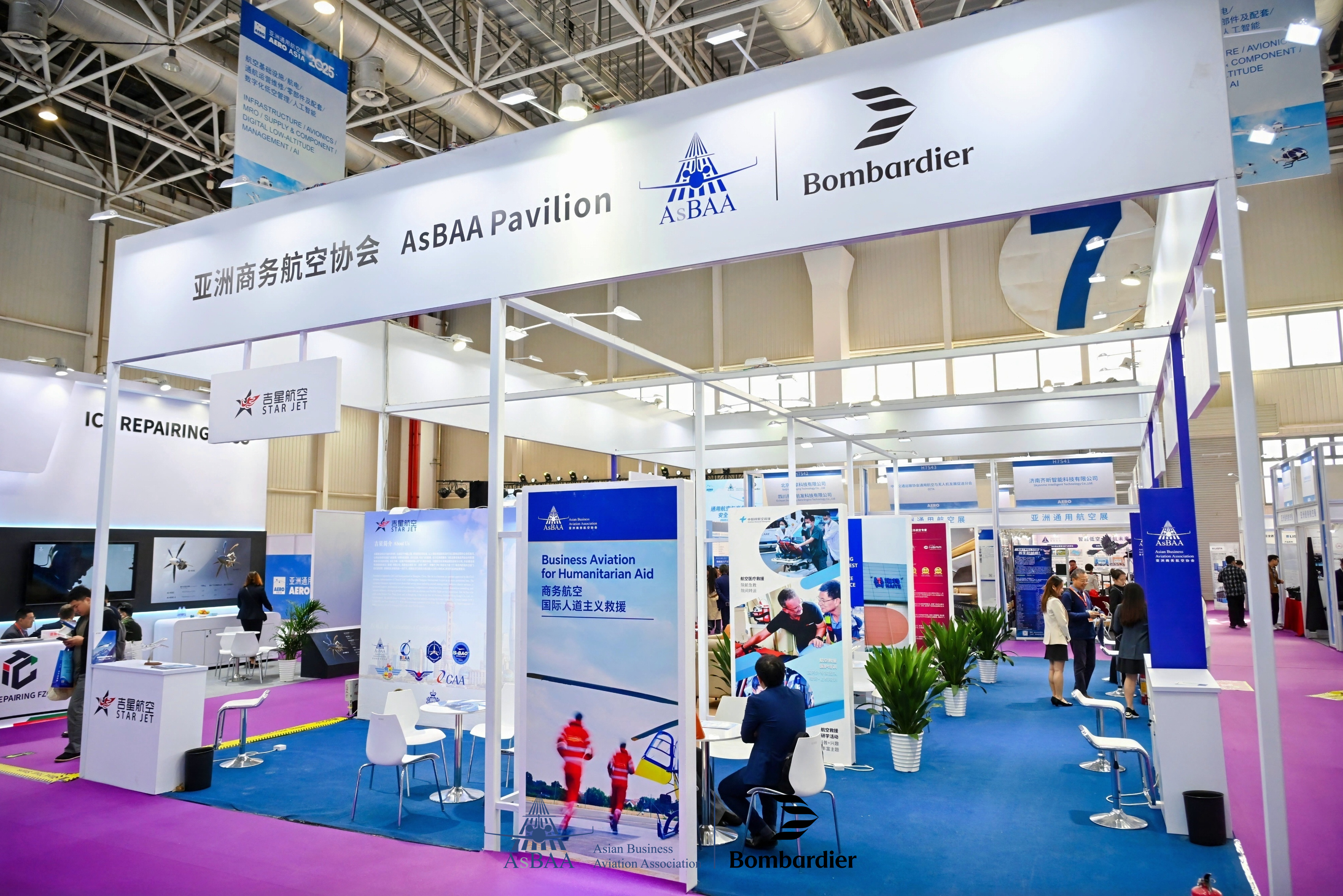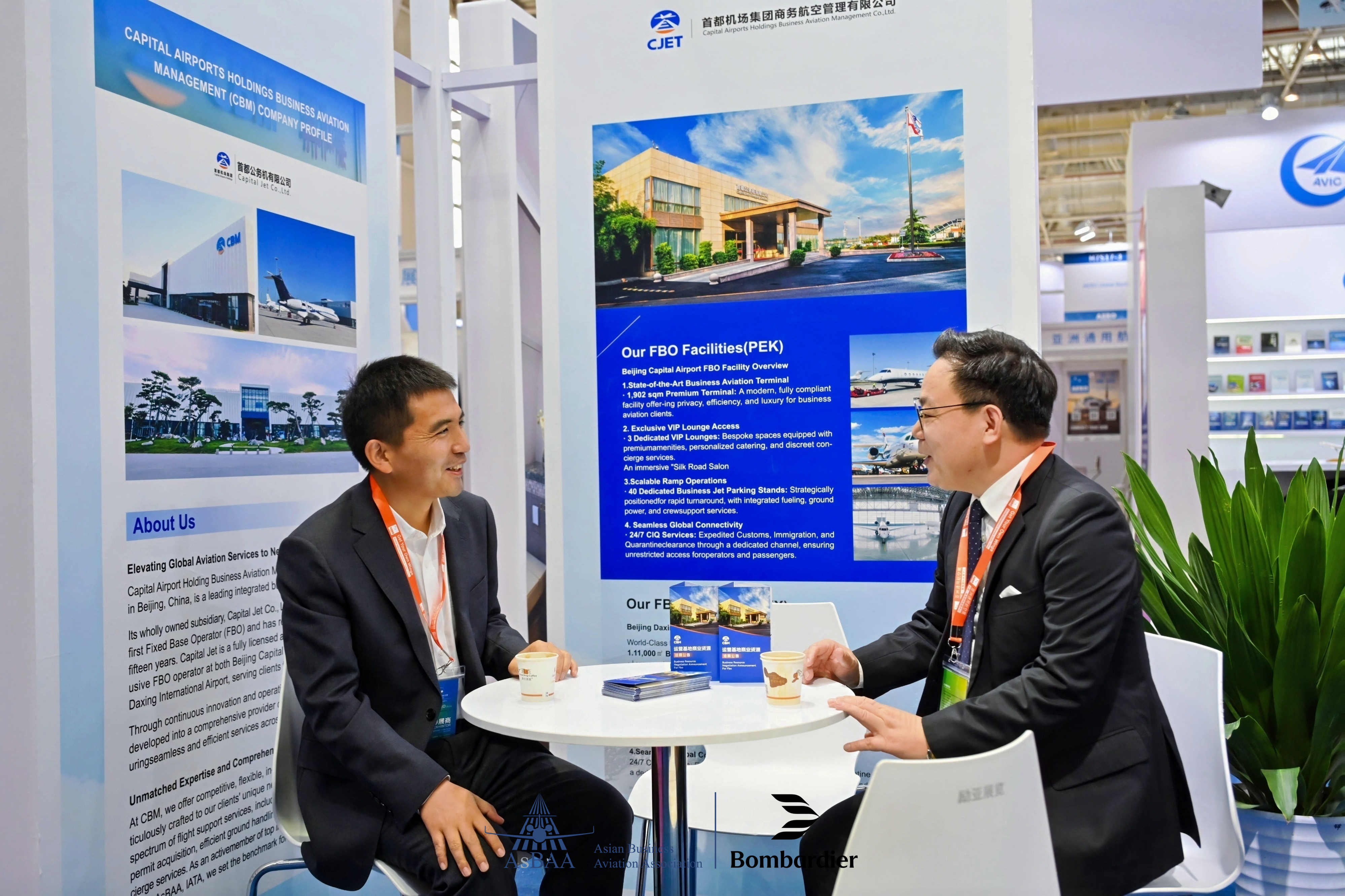
AsBAA at Aero Asia 2025: Championing Safety and Sustainability in General and Business Aviation
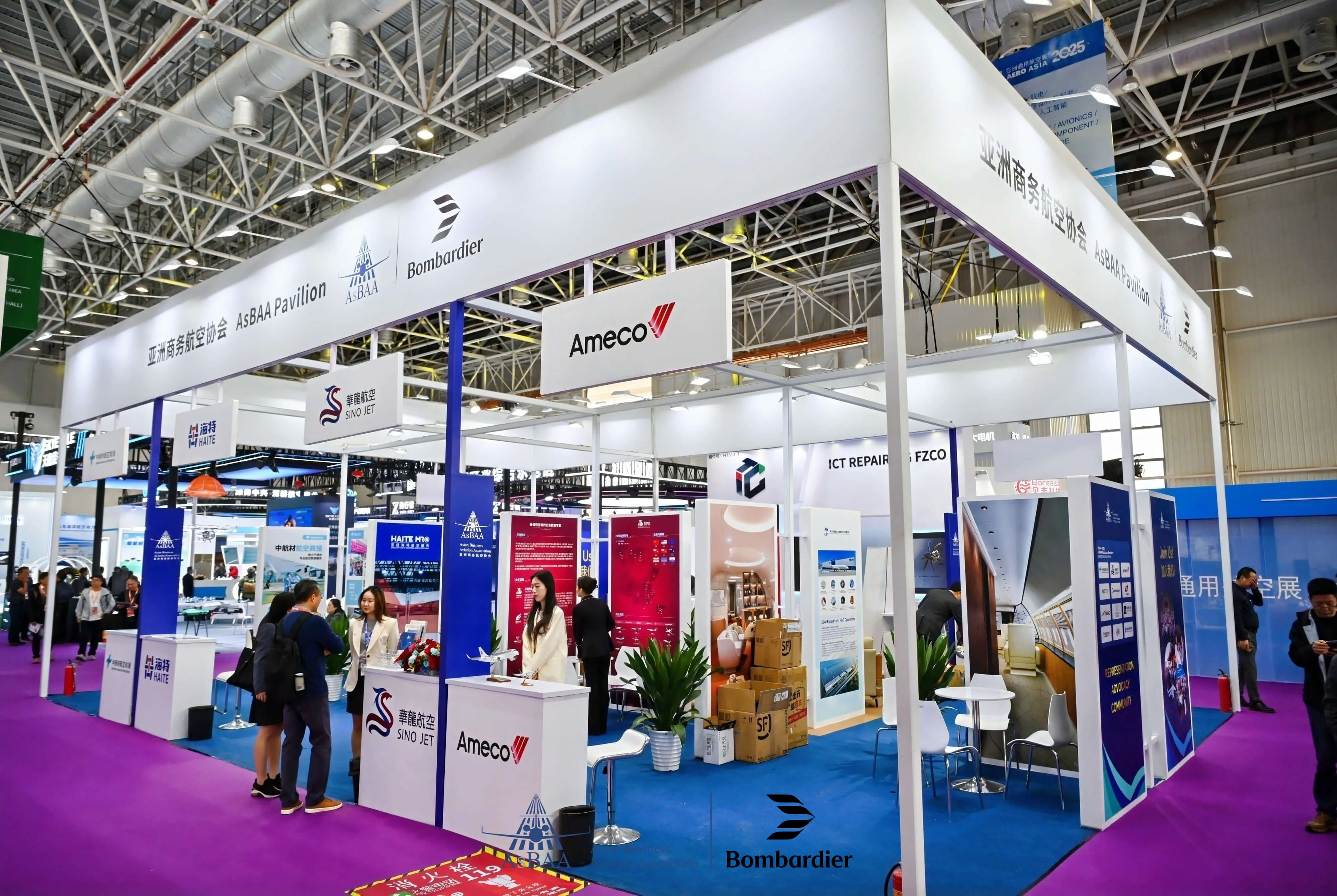
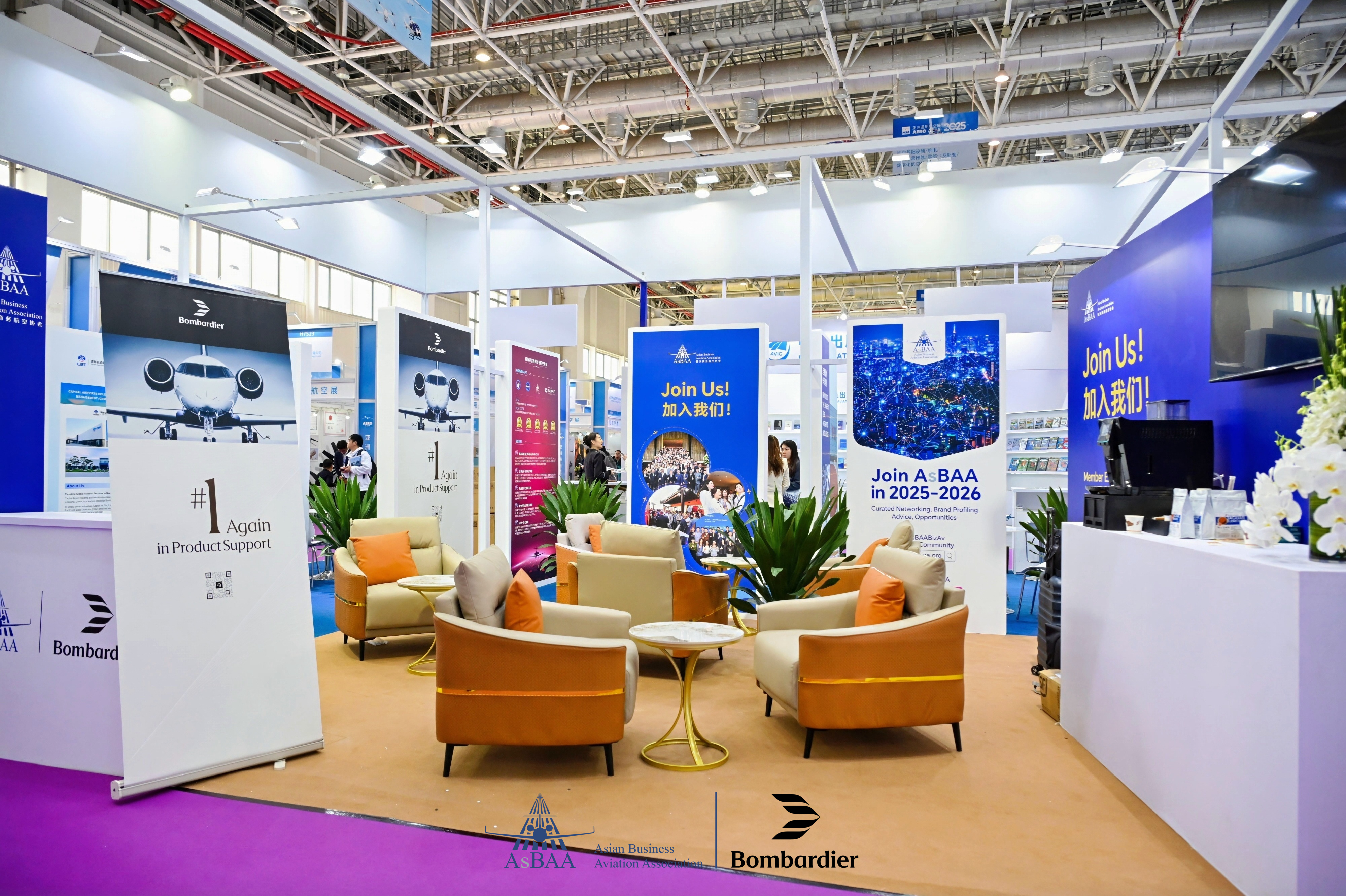
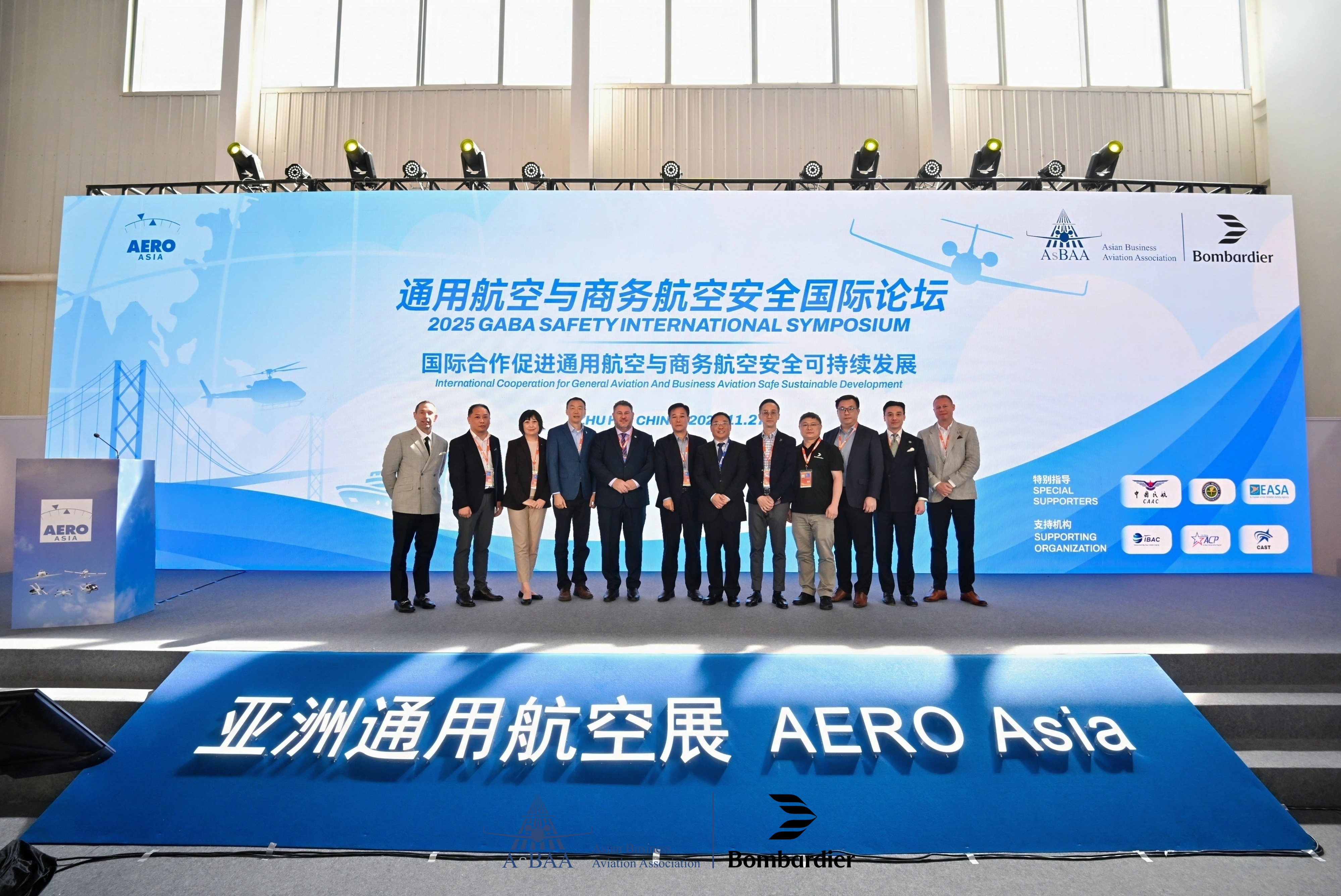
Zhuhai, China, November 27, 2025 – Under the theme "International Cooperation for Safe and Sustainable Development," the 2025 AsBAA China GABA Safety International Symposium was successfully held at the Aero Asia 2025 exhibition in Zhuhai, China.
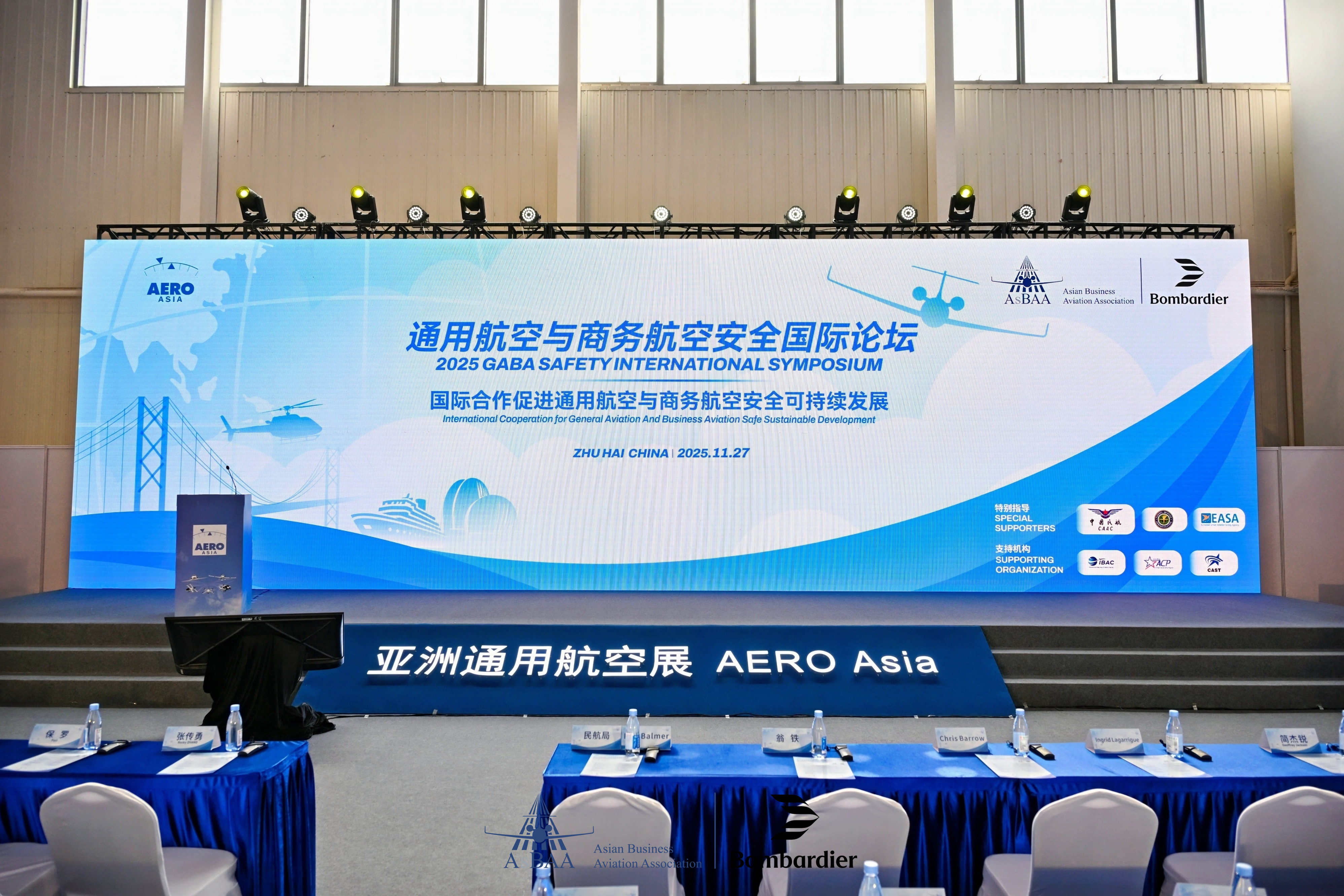
As a key ancillary event of the 2nd Aero Asia, the AsBAA China Safety Day – GABA Safety Symposium established a high-level platform for international dialogue and collaboration. The event focused on enhancing the safety, efficiency, and sustainable growth of the general and business aviation sectors in China and the Asia-Pacific region. With ongoing support from Bombardier, the safety symposium contributed to the AsBAA mission to advocate for and foster a continuous safety culture.
The forum delved into core safety issues through keynote speeches and panel discussions, covering critical areas such as international regulatory trends, frontline safety practices in business aviation, best practices in Safety Management Systems (SMS), and aeromedical services and emergency rescue.
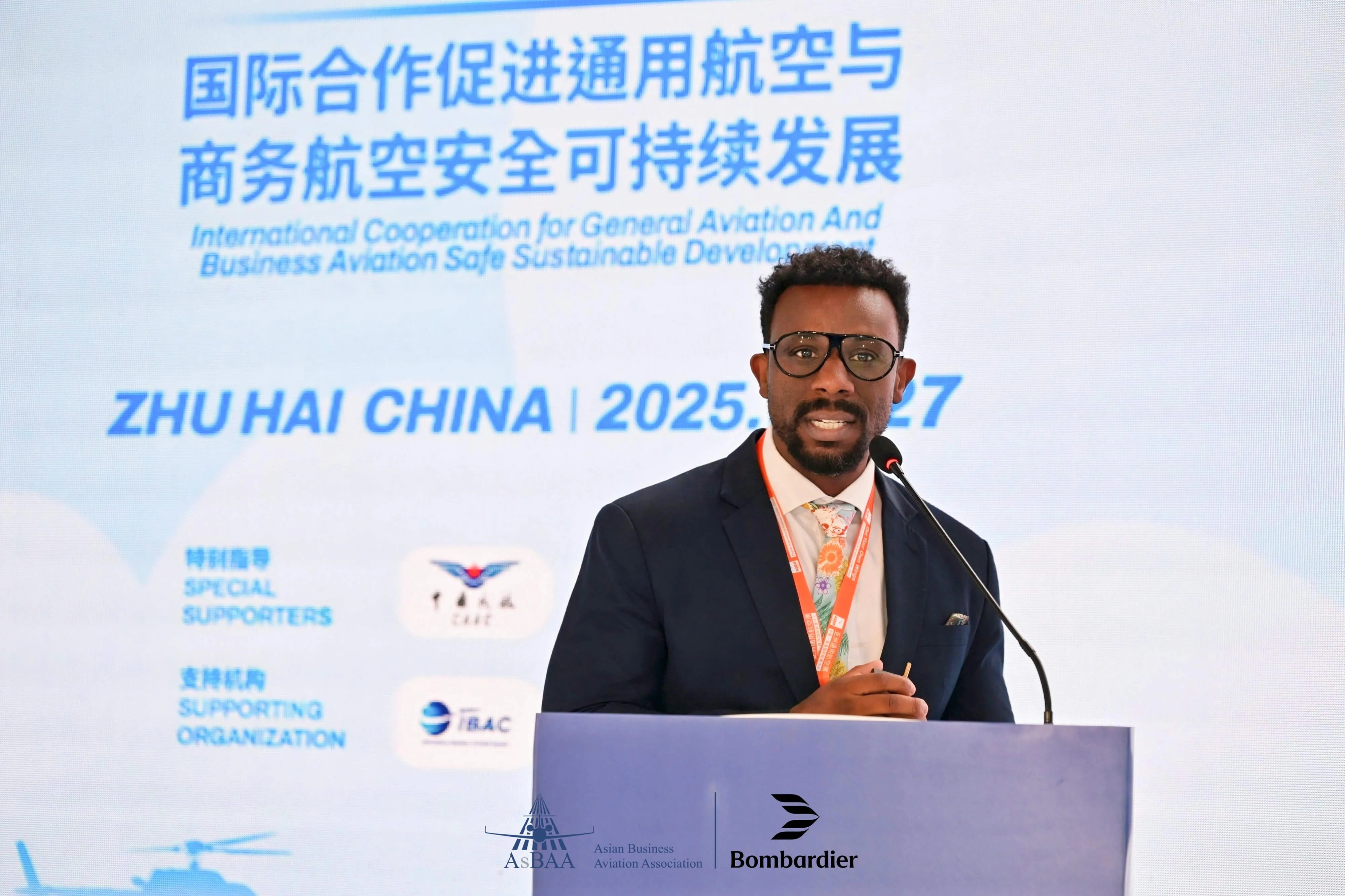
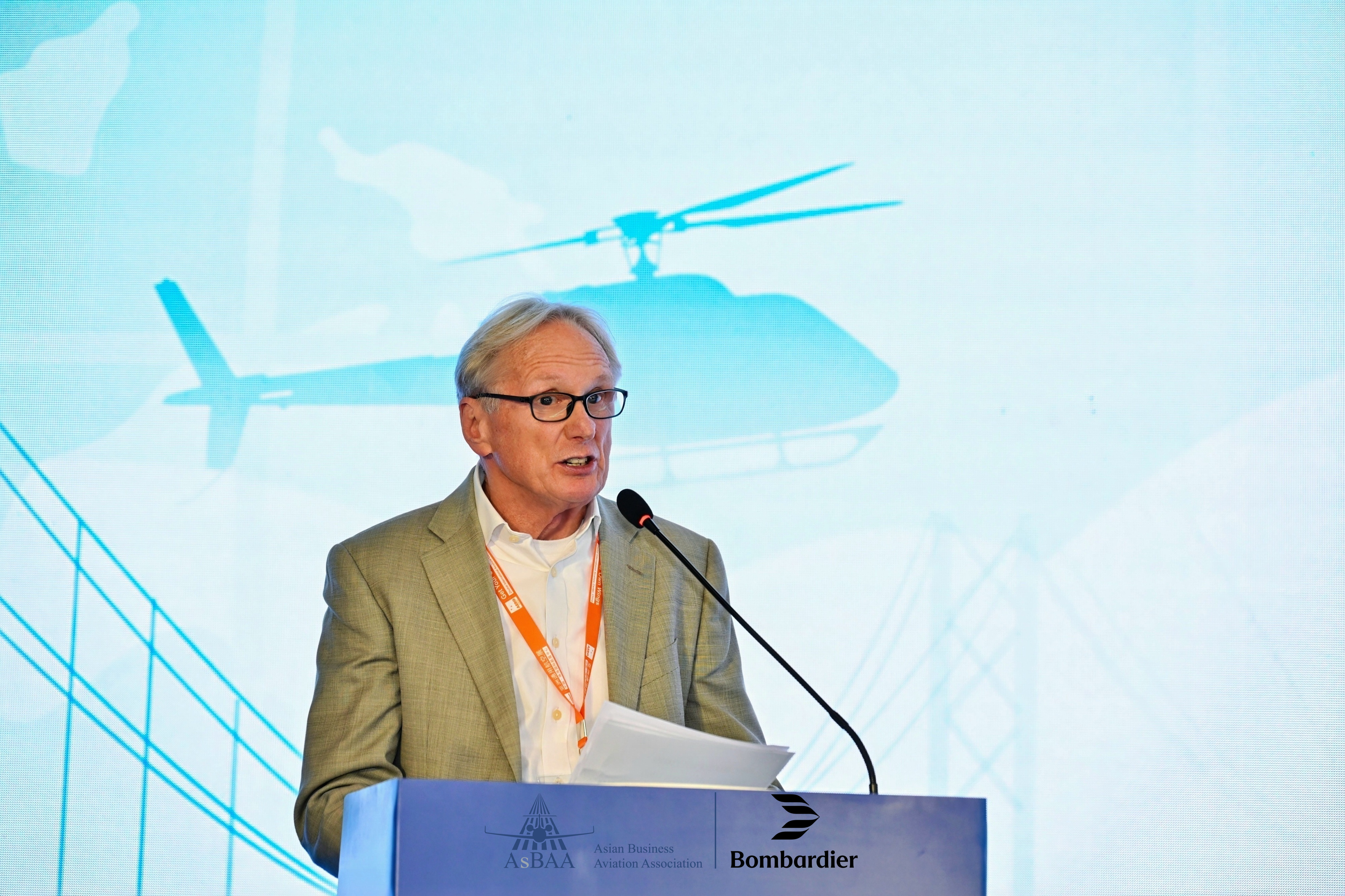
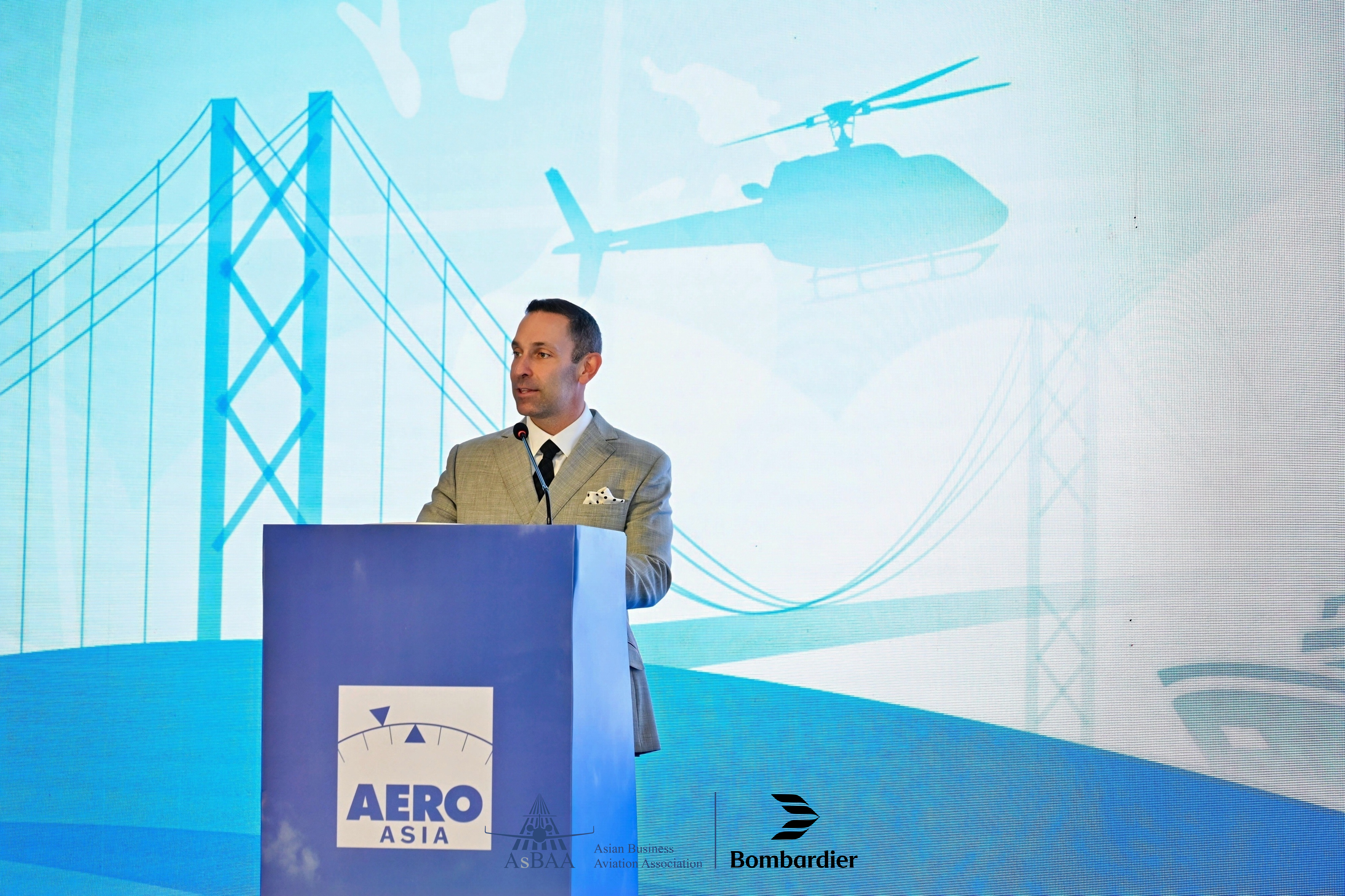
In his opening address, Rocky ZHANG, Chair of Chinese Mainland Chapter and BoDs of AsBAA, emphasized that safety is the cornerstone of development for general and business aviation. "Business aviation is not only an efficient mode of transportation but also a vital force for economic growth, strengthening global connectivity and fostering regional economic development," he stated.
Phil Balmer, Chairman of AsBAA, highlighted the region's potential, noting that the Asia-Pacific is now home to over 1,100 business aircraft, with the Chinese market holding significant promise. "Safety is the fundamental prerequisite for sustainable industry growth. It requires integrating global standards with regional cooperation to tackle common challenges," Balmer said. He called for enhanced free training and standardization efforts to collectively elevate safety standards industry-wide.
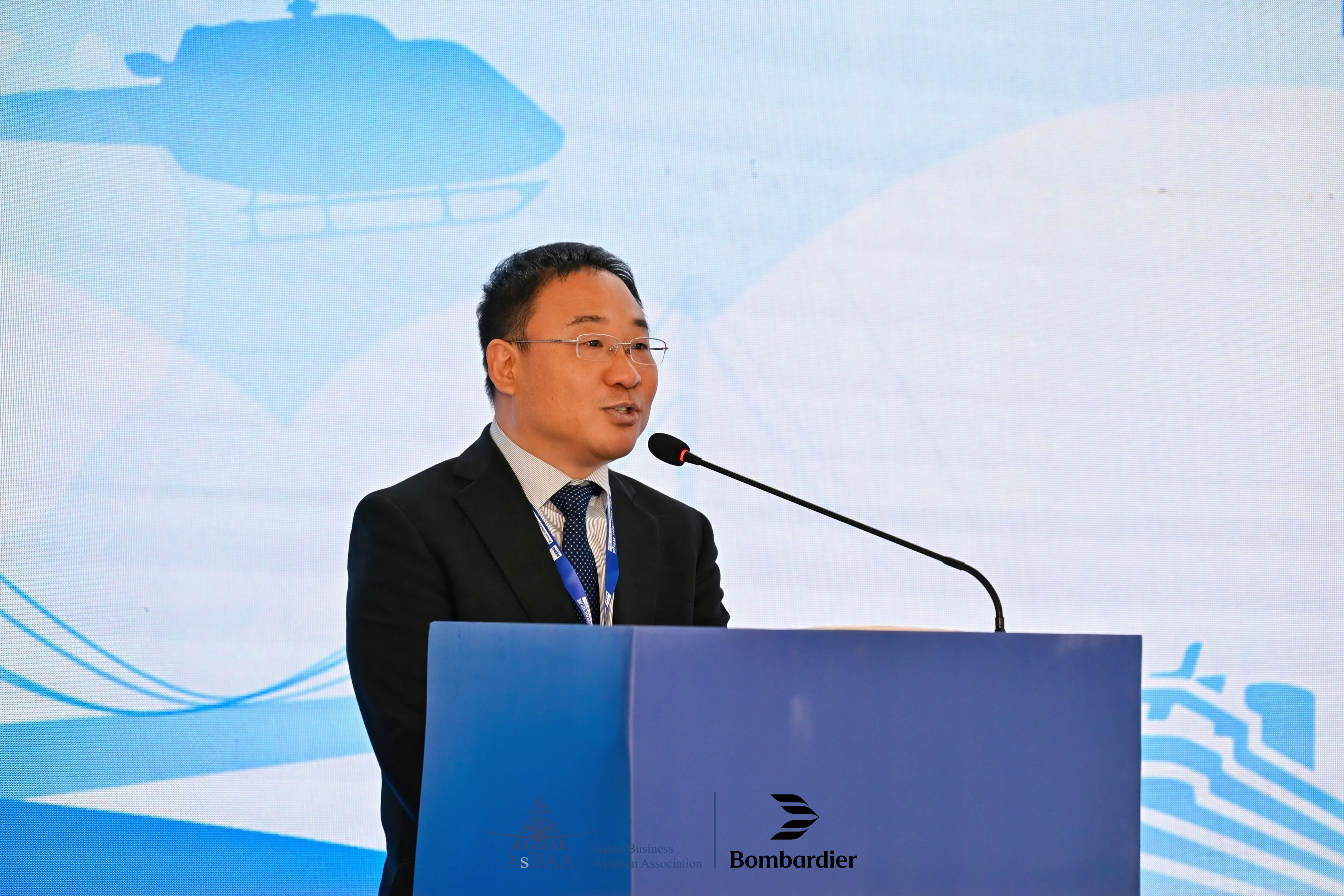
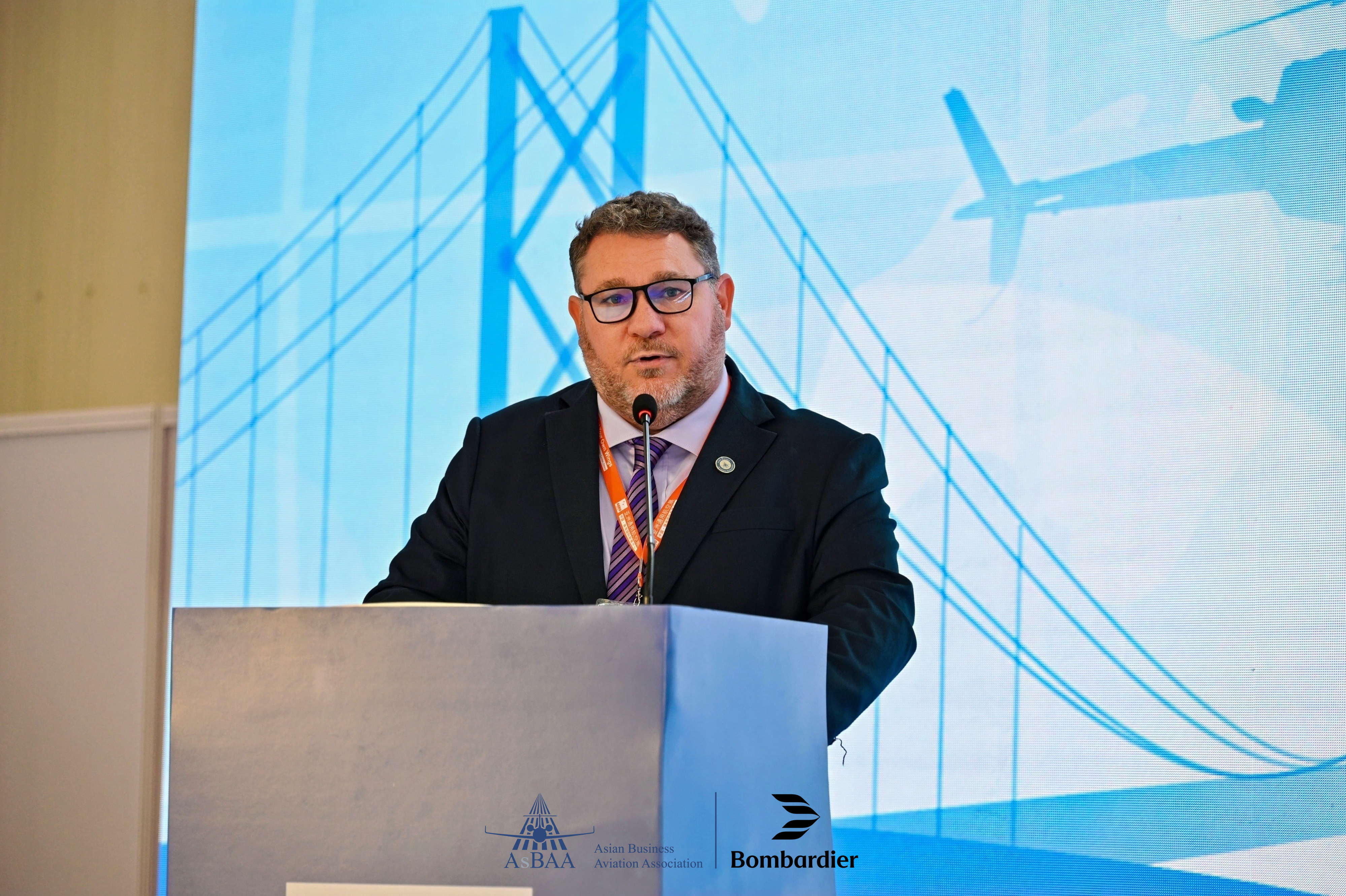
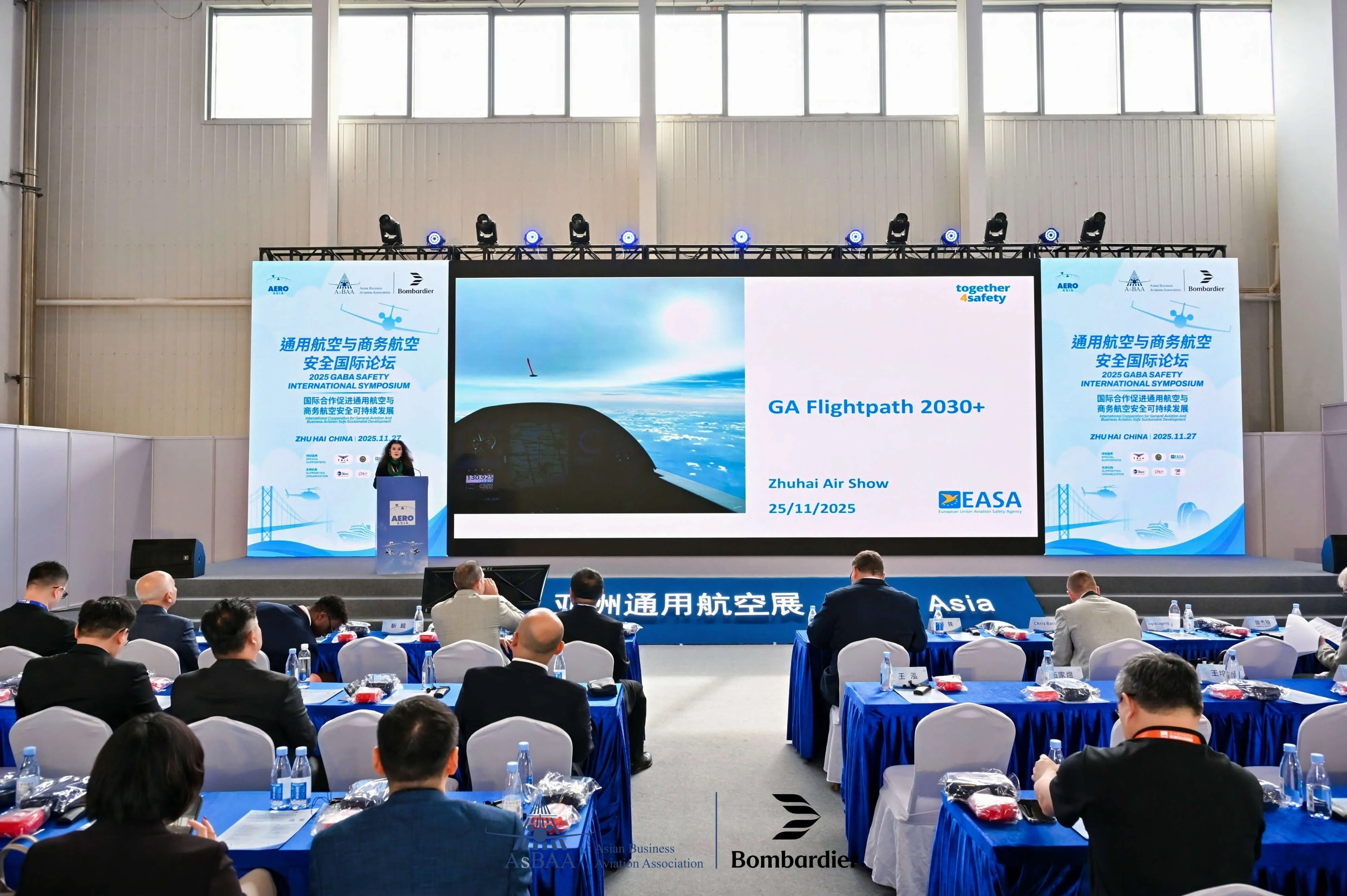
A keynote speech by Ingrid LAGARRIGUE, EASA's Chief Representative for North Asia, shared insights from Europe's “GA Flightpath 2030+”. She outlined EASA's initiatives to foster a safer and greener future for general aviation through regulatory simplification, digitalization, and the promotion of sustainable energy applications.
Kyle James, Business Development Manager at the Bermuda Civil Aviation Authority (BCAA), shared the authority's nearly century-old experience as an aircraft registry, focusing on its global cooperation network, high standards of airworthiness oversight, and lifecycle safety support.
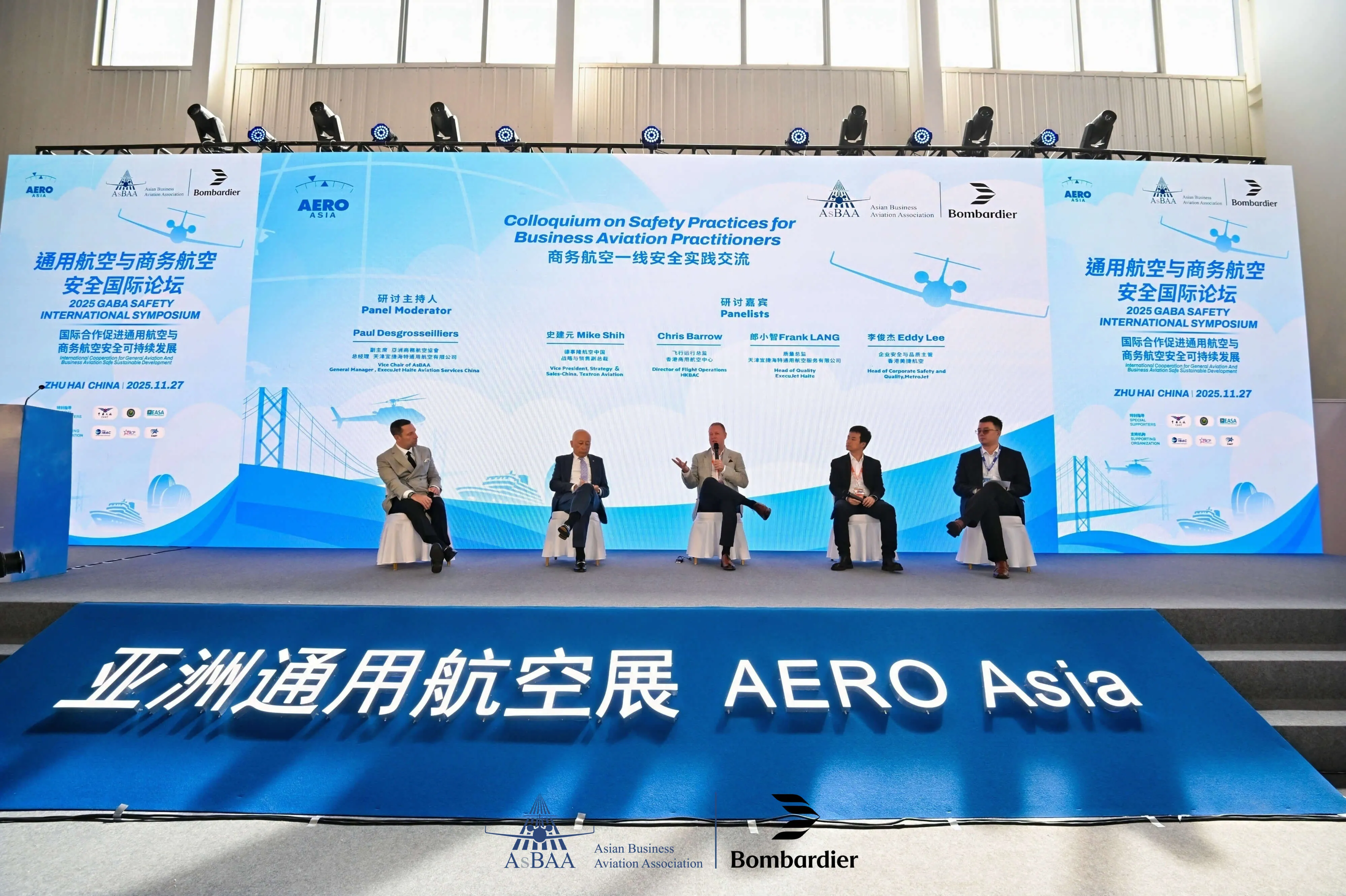
A panel on frontline business aviation safety, featuring representatives from Textron Aviation China, HKBAC, ExecuJet Haite Tianjin, and Metro Jet, discussed human factors, safety culture, and emerging risks. Panelists concurred that human factors contribute to over 80% of aviation incidents, underscoring the urgent need for systematic risk control through SMS and Threat and Error Management (TEM) models. Emerging challenges identified included over-reliance on AI, safety risks associated with new energy ground vehicles, data management complexities, and an industry talent gap, all requiring cross-sector collaboration and technical standardization.
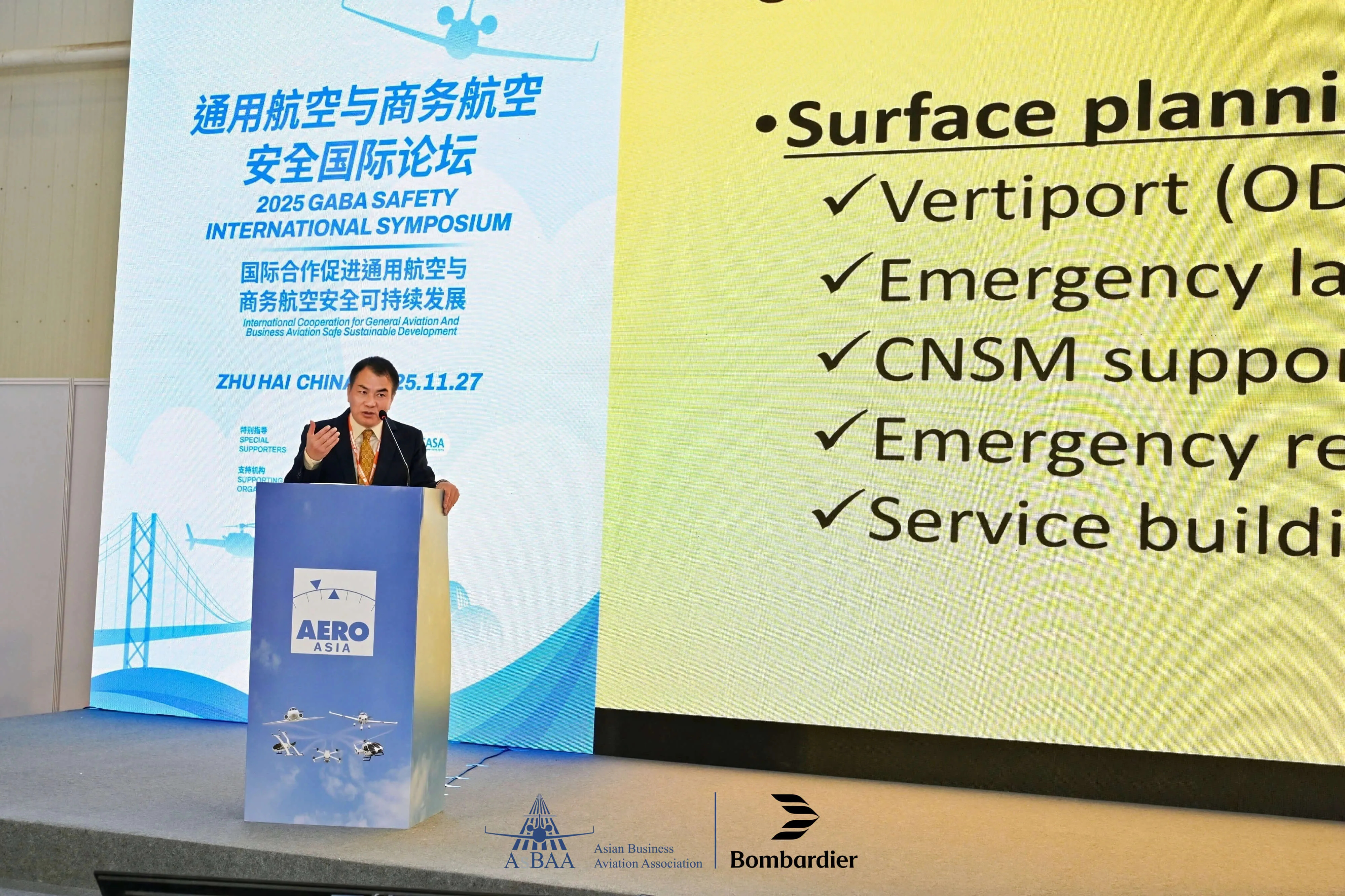
Afternoon sessions addressed SMS best practices, high-altitude airport operations, and aeromedical rescue. Professor Meilong LE from Nanjing University of Aeronautics and Astronautics proposed leveraging data analytics and operational optimization to enhance safety efficiency. Chenglong XUE, Safety Director of Star Jet, systematically shared practical SMS approaches for ensuring flight safety in the complex environment of high-plateau airports, offering valuable insights for safety governance in specialized operations.
In a dedicated report, Star Jet’s safety director detailed the company's holistic SMS for high-altitude airport operations, covering pre-flight scientific assessment, in-flight precise control, and post-flight continuous optimization. Industry peers noted that these practices provide a valuable reference for tackling similar operational challenges.
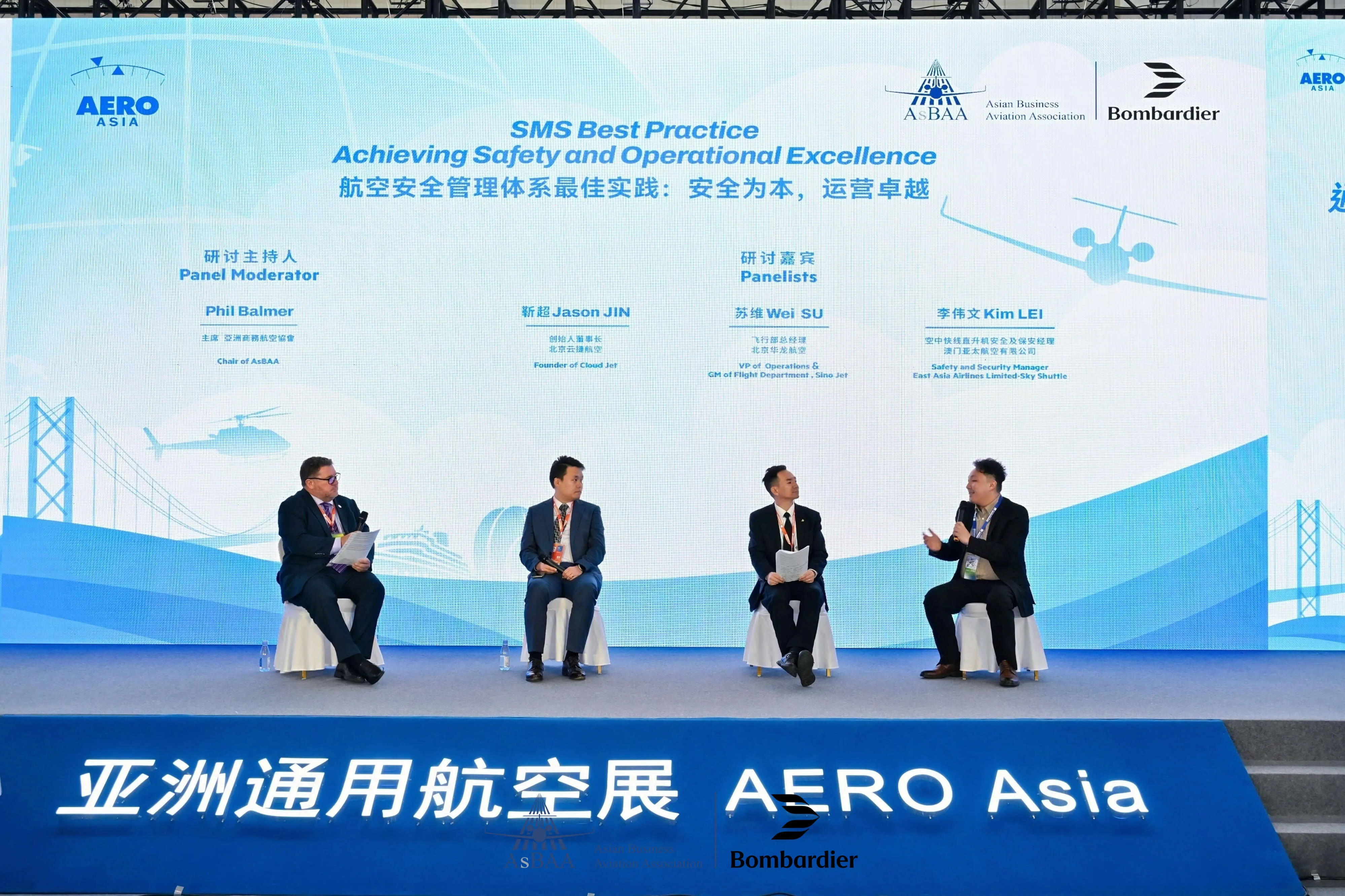
A panel on SMS best practices, with participants from Cloud Jet, a charter company based in Beijing, Sino Jet, and East Asia Airlines Limited-Sky Shuttle Macau, reinforced that SMS is the cornerstone of consistent safety standards for global operations. An effective SMS is a dynamic system integrating standards, practices, and culture, whose core lies in fostering a unified safety culture to achieve a win-win for safety and operations.
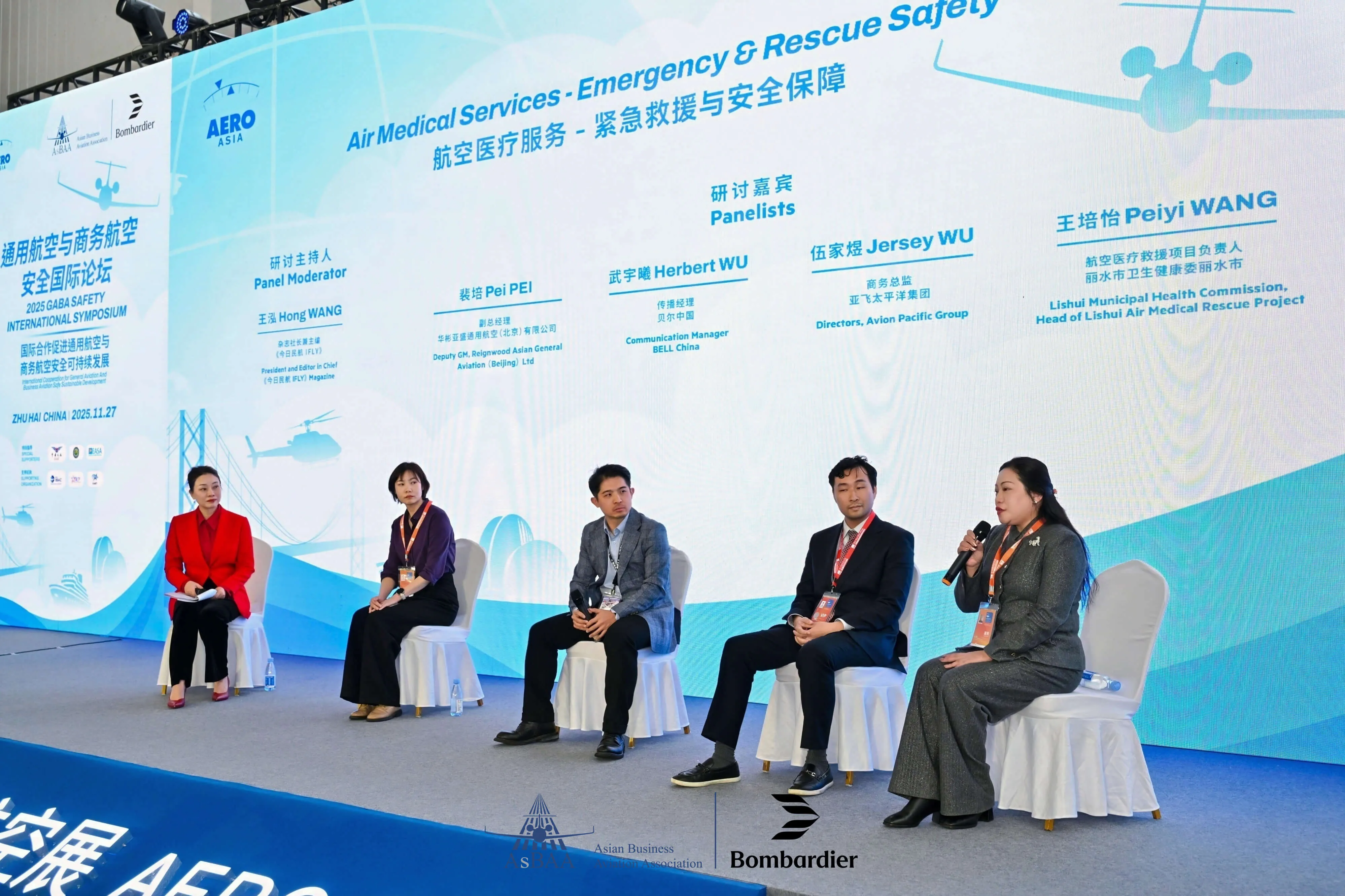
The aeromedical rescue session highlighted new opportunities and challenges under China's "low-altitude economy" initiatives. Peiyi WANG, lead for the aeromedical rescue program of Lishui City's Health Commission in Zhejiang Province, introduced the "Lishui Model." This innovative program uses affordable aviation medical insurance to keep rescue costs around $6 per minute. Over the past year, Lishui successfully transported 93 patients with a 100% success rate and a 91.6% success rate for critical emergency rescues. Representatives from Reignwood Asian General Aviation Beijing, Bell China, and Avion Pacific Group shared experiences on helicopter-fixed-wing coordination, public-private partnership rescue networks, and drone applications for medical supply transport. Participants identified sustainable payment mechanisms and standardization as key challenges, while recognizing significant development opportunities as the low-altitude economy gains national strategic importance.
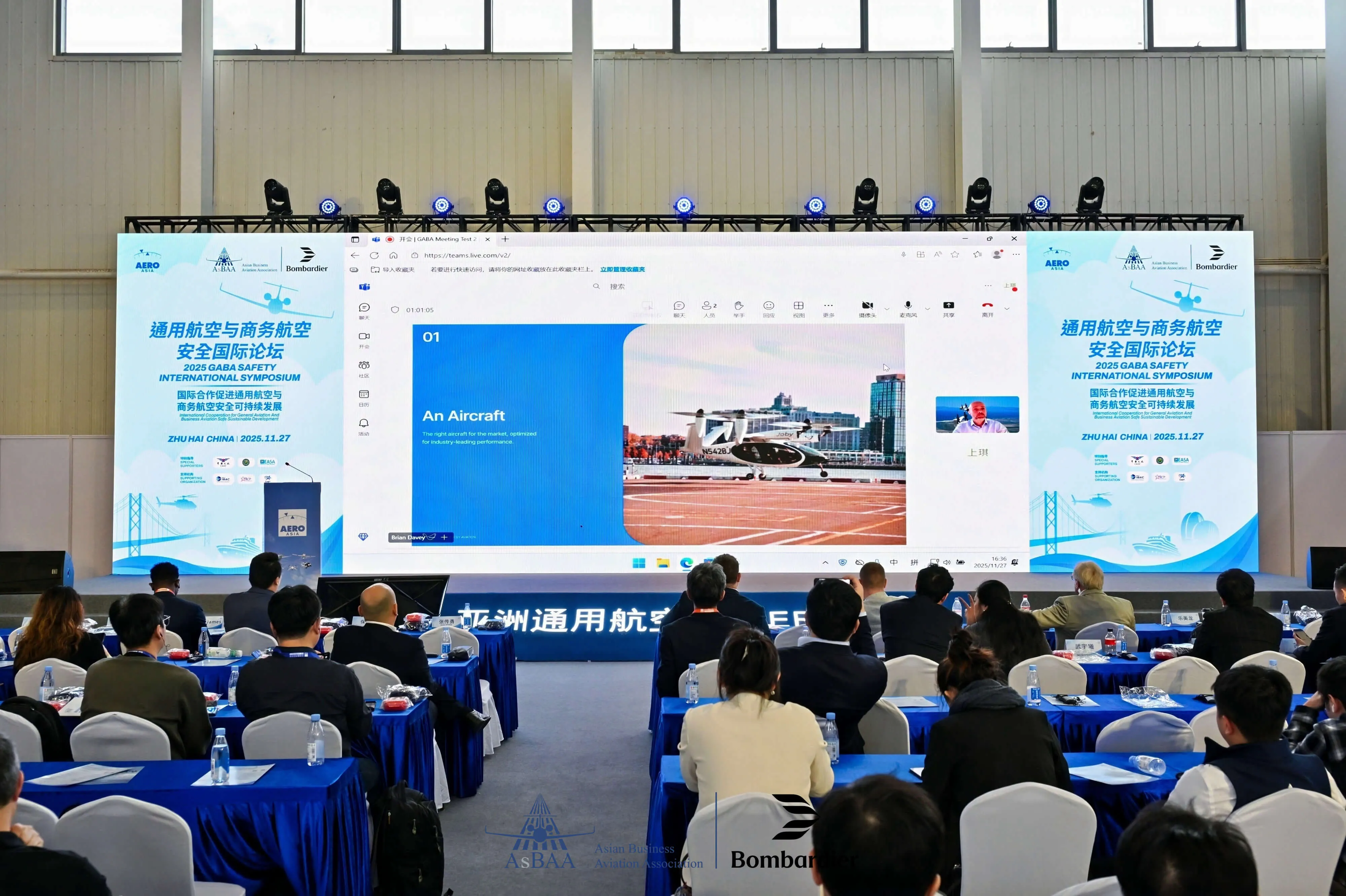
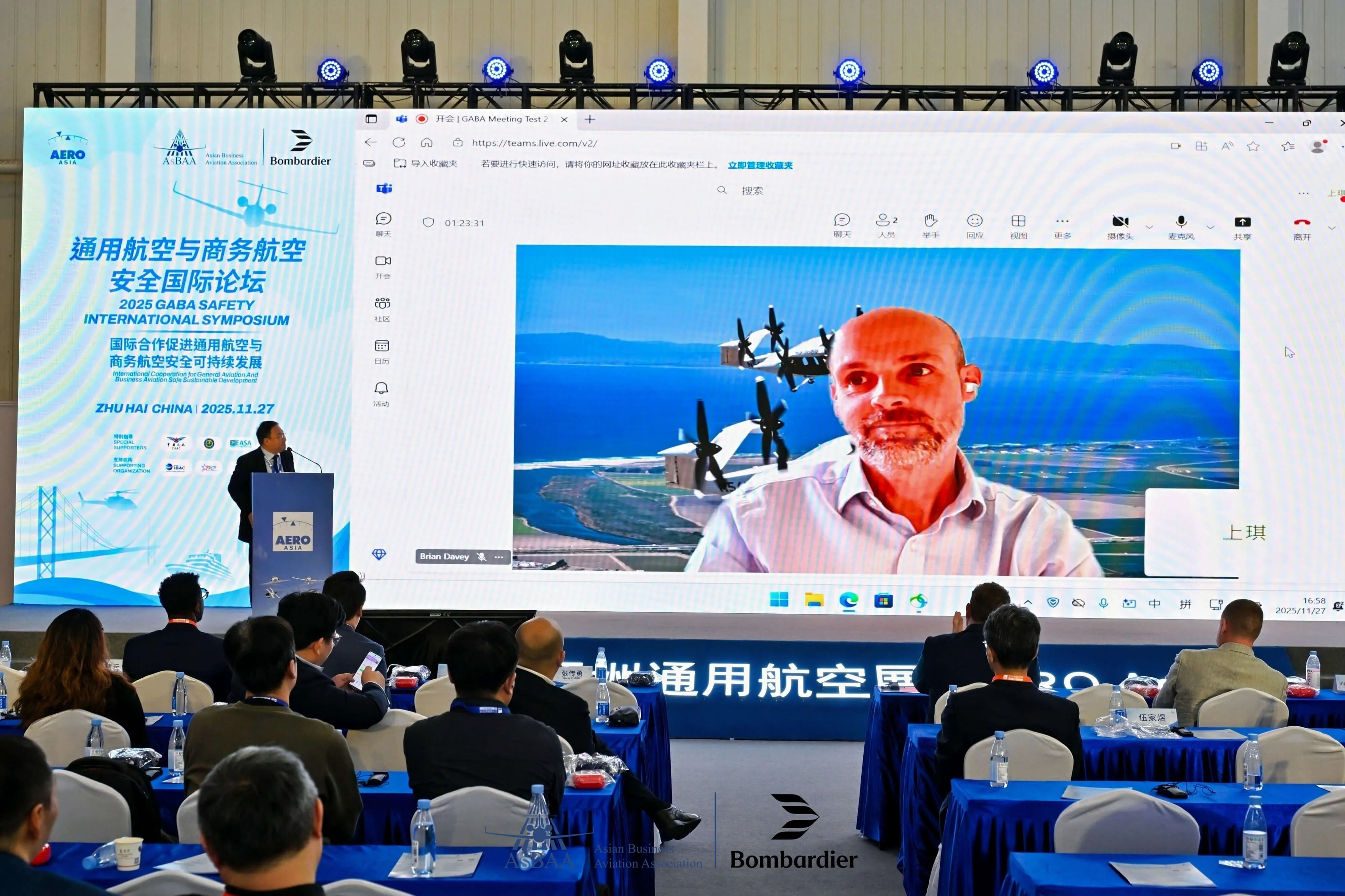
Brian Davey, Head of International Policy at JOBY Aviation, joined via teams-online to share the company's progress and practices in the development and safe operation of eVTOL aircraft. His address, delivered online, garnered significant attention from the on-site attendees, and there was a strong anticipation for interaction with him.
In closing remarks, Paul Desgrosseilliers, Vice Chairman of AsBAA and General Manager of ExecuJet Haite China, urged breaking down data silos between companies to promote global safety experience sharing.
Geoffrey Jackson, Executive Director of the U.S.-China Aviation Cooperation Program (ACP). "Collaborative cooperation and robust Safety Management Systems are the core pathways to building industry resilience and achieving operational excellence," Jackson concluded.
The 2025 AsBAA China GABA Safety International Symposium, co-hosted by the Asian Business Aviation Association (AsBAA) and Messe Frankfurt (Zhuhai) Airshow Co., Ltd., gathered senior industry representatives and garnered robust global support from authorities including the CAAC, FAA, and EASA, as well as organizations such as the China Academy of Civil Aviation Science & Technology (CAST), IBAC and ACP, to discuss key safety and development issues.